


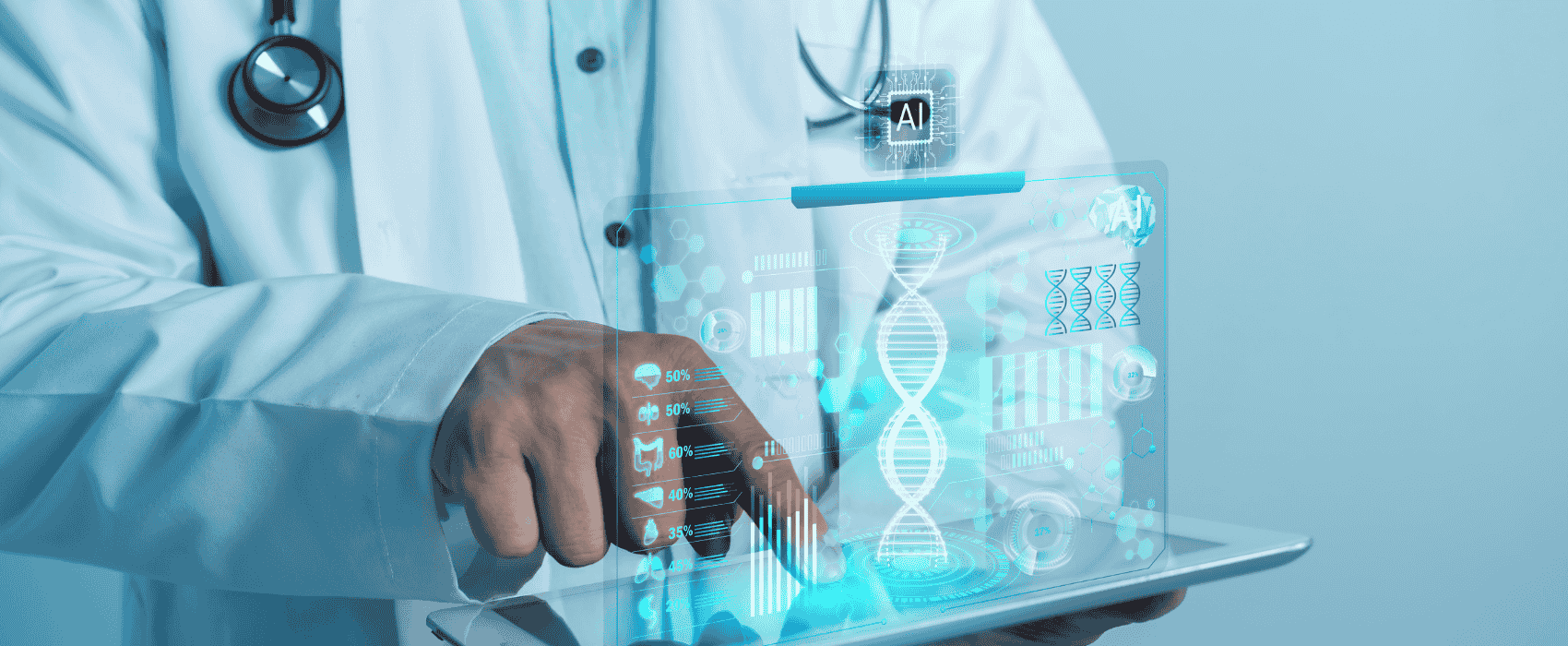
The era of artificial intelligence has transformed every corner of the medical world — and medical devices are no exception. Today’s healthcare systems and aesthetic clinics are no longer defined by manual tools alone, but by intelligent technologies that learn, adapt, and make precision care more accessible than ever before. In the age of AI, medical devices have evolved into smart companions that support diagnostics, treatment, and patient safety in ways that were once unimaginable.
Artificial intelligence allows medical devices to process data faster, analyze complex images, and deliver insights with remarkable accuracy. In diagnostic imaging, AI-powered devices can detect minute details invisible to the human eye, identifying early signs of disease or skin irregularities long before they become visible. This has changed the pace of decision-making for both hospitals and aesthetic clinics, allowing professionals to provide faster and more confident care.
In the field of aesthetic and cosmetic medicine, AI-driven devices are redefining personalization. By combining data from patient history, imaging, and real-time feedback, devices can adjust treatment parameters automatically to match each individual’s unique skin type or tissue response. Whether it’s a laser system optimizing pulse duration, or a radio-frequency device balancing heat distribution, artificial intelligence ensures precision, consistency, and safety with every session.
Beyond the treatment room, AI is improving how clinics monitor results and communicate with patients. Smart devices and connected systems allow remote monitoring, meaning patients can share recovery data or treatment progress from home. This not only increases convenience but also strengthens patient satisfaction and post-procedure safety — a vital part of modern aesthetic care.
AI also plays a key role in quality control and maintenance. Predictive algorithms can monitor a device’s performance in real time, alerting clinics to potential issues before they occur. This proactive approach reduces downtime and ensures every procedure is performed with reliable, well-calibrated technology. For medical suppliers and manufacturers, AI-driven maintenance means safer equipment, fewer service interruptions, and improved regulatory compliance.
The combination of artificial intelligence and medical devices has also improved accessibility. Through telehealth integrations and wearable technologies, healthcare professionals can deliver accurate diagnostics and guidance to patients in remote or underserved areas. This democratization of care reflects one of the greatest promises of AI — to make high-quality healthcare universally available.
Of course, these innovations also come with responsibility. AI-driven devices must comply with strict medical regulations, protect patient data, and be operated by trained professionals who understand both the power and the limitations of machine learning. Transparency and human oversight remain essential, ensuring that technology complements — rather than replaces — medical expertise.
As we move deeper into the AI era, the role of medical devices will continue to expand. From intelligent diagnostic imaging to automated treatment platforms, artificial intelligence is not just a tool for efficiency — it’s a partner in care, driving the next generation of precision medicine and aesthetic innovation. For clinics and practitioners, embracing AI-powered medical devices means staying at the forefront of safety, personalization, and performance — values that define the future of modern healthcare.